Tampilkan postingan dengan label surprising. Tampilkan semua postingan

10 Surprising Ways Fiber Can Revolutionize Your Diet and Boost Overall Health
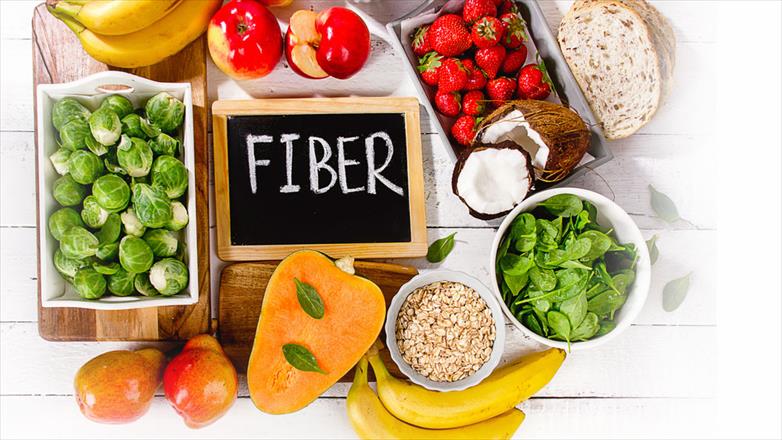
10 Surprising Ways Fiber Can Revolutionize Your Diet and Boost Overall Health

As I sit here, sipping my morning coffee and enjoying a bowl of oatmeal with fresh fruits and nuts, I am reminded of the numerous benefits of incorporating more fiber into our diets. As a long-time advocate of healthy eating, I’ve seen firsthand the incredible impact that dietary fiber can have on our bodies. From improving digestion to boosting energy levels, the advantages of a high-fiber diet are undeniable.

In this article, we’ll delve into the world of fiber, exploring its many benefits, debunking common myths, and providing practical tips on how to increase your daily intake. Whether you’re a health enthusiast or just starting to make positive changes in your life, this article is for you.

What is Fiber, and Why is it So Important?

10 Surprising Ways Fiber Can Revolutionize Your Diet and Boost Overall Health

Fiber is a type of carbohydrate found in plant-based foods such as fruits, vegetables, whole grains, and legumes. It’s the indigestible part of these foods that our bodies can’t break down, but it plays a crucial role in maintaining a healthy digestive system. There are two types of fiber: soluble and insoluble. Soluble fiber dissolves in water, forming a gel-like substance that helps lower cholesterol levels and control blood sugar levels. Insoluble fiber, on the other hand, helps promote regular bowel movements and prevent constipation.

The daily recommended intake of fiber is 25-30 grams for adults, but most of us fall short of this mark. In fact, a recent study found that only 3% of Americans consume the recommended daily amount of fiber. This is alarming, considering the numerous health benefits associated with a high-fiber diet.

10 Surprising Ways Fiber Can Revolutionize Your Diet and Boost Overall Health

"Unlocking Happiness: 5 Surprising Ways a Healthy Diet Impacts Mental Health"

"Unlocking Happiness: 5 Surprising Ways a Healthy Diet Impacts Mental Health"

As someone who’s struggled with anxiety and depression, I’ve often found myself searching for ways to manage my mental health. While therapy and exercise have been lifesavers, I’ve recently discovered the profound impact a healthy diet can have on my overall well-being. The connection between a healthy diet and mental health is more than just a simple correlation – it’s a powerful key to unlocking happiness and stability.

Research has shown that a balanced diet rich in whole foods, fruits, vegetables, and omega-3 fatty acids can have a significant impact on mental health. In fact, a study published in the Journal of Affective Disorders found that individuals who followed a Mediterranean-style diet were 30% less likely to develop depression. But how exactly does this work?

The Gut-Brain Connection

"Unlocking Happiness: 5 Surprising Ways a Healthy Diet Impacts Mental Health"

One of the most significant ways a healthy diet impacts mental health is through the gut-brain axis. The gut microbiome, made up of trillions of microorganisms, plays a crucial role in producing neurotransmitters like serotonin and dopamine, which regulate mood, appetite, and sleep. A diet high in processed foods, sugar, and unhealthy fats can disrupt the balance of the gut microbiome, leading to inflammation and impaired neurotransmitter production.

In contrast, a diet rich in fiber from fruits, vegetables, and whole grains helps feed the good bacteria in the gut, promoting a healthy gut-brain axis. This is why incorporating fermented foods like kimchi, sauerkraut, and yogurt into your diet can be so beneficial. These foods are rich in probiotics, which help support the growth of beneficial microorganisms in the gut.

"Unlocking Happiness: 5 Surprising Ways a Healthy Diet Impacts Mental Health"

5 Surprising Ways a Healthy Diet Impacts Mental Health

10 Surprising Truths About Supplements and a Healthy Diet

10 Surprising Truths About Supplements and a Healthy Diet

When I started taking multivitamins in my early 20s, I thought I was giving my body an extra boost to stay healthy. However, as I delved deeper into the world of supplements, I realized that it was not as straightforward as just popping a pill. With so many conflicting opinions and advertisements bombarding us, it’s hard to separate fact from fiction. Do supplements really deserve a place in our daily diet, or are they just a bunch of unnecessary additives draining our wallets?

As someone who has navigated the complex world of supplements, I’m here to share my experiences and insights on how these magical little pills can impact our overall health. From enhancing energy levels to helping with weight loss, I’ll explore the role of supplements in our diets and the benefits they can bring.

One thing is for sure – no supplement can replace a balanced diet. The tried-and-true advice from nutritionists and doctors holds true: eat plenty of fruits, vegetables, whole grains, lean protein, and healthy fats to provide your body with essential nutrients. However, in today’s world, it’s increasingly difficult to maintain a perfectly balanced diet. Many people, including busy working professionals and parents, tend to rely on convenience foods or struggle to find time to cook meals from scratch.

10 Surprising Truths About Supplements and a Healthy Diet

That’s where supplements come in – as a complementary tool to help bridge the gaps in our diets. A good example of this is probiotics. Probiotics are beneficial bacteria that live in our gut and aid with digestion, immune system function, and even the production of certain vitamins. Though you can get probiotics through probiotic-rich foods like yogurt and kimchi, a supplement can be an excellent way to boost your gut health if you’re unable to consume these foods regularly.

Another area where supplements can shine is in supporting specific health goals. For instance, omega-3 fatty acids – particularly EPA and DHA – have been scientifically proven to support heart health by reducing inflammation and triglyceride levels. If you’re not a fan of eating fish, which is an excellent source of omega-3 fatty acids, a supplement can provide the essential nutrients.

Personally, I’ve also noticed a huge difference in my energy levels since incorporating an iron supplement into my daily routine. Growing up, I had low iron levels and often experienced headaches and fatigue after meals. However, after speaking with my doctor, I discovered that my symptoms were due to iron deficiency anemia. A simple supplement helped sort out this issue and have made a huge difference in my daily life.

More

Whats Hot