Tampilkan postingan dengan label you. Tampilkan semua postingan

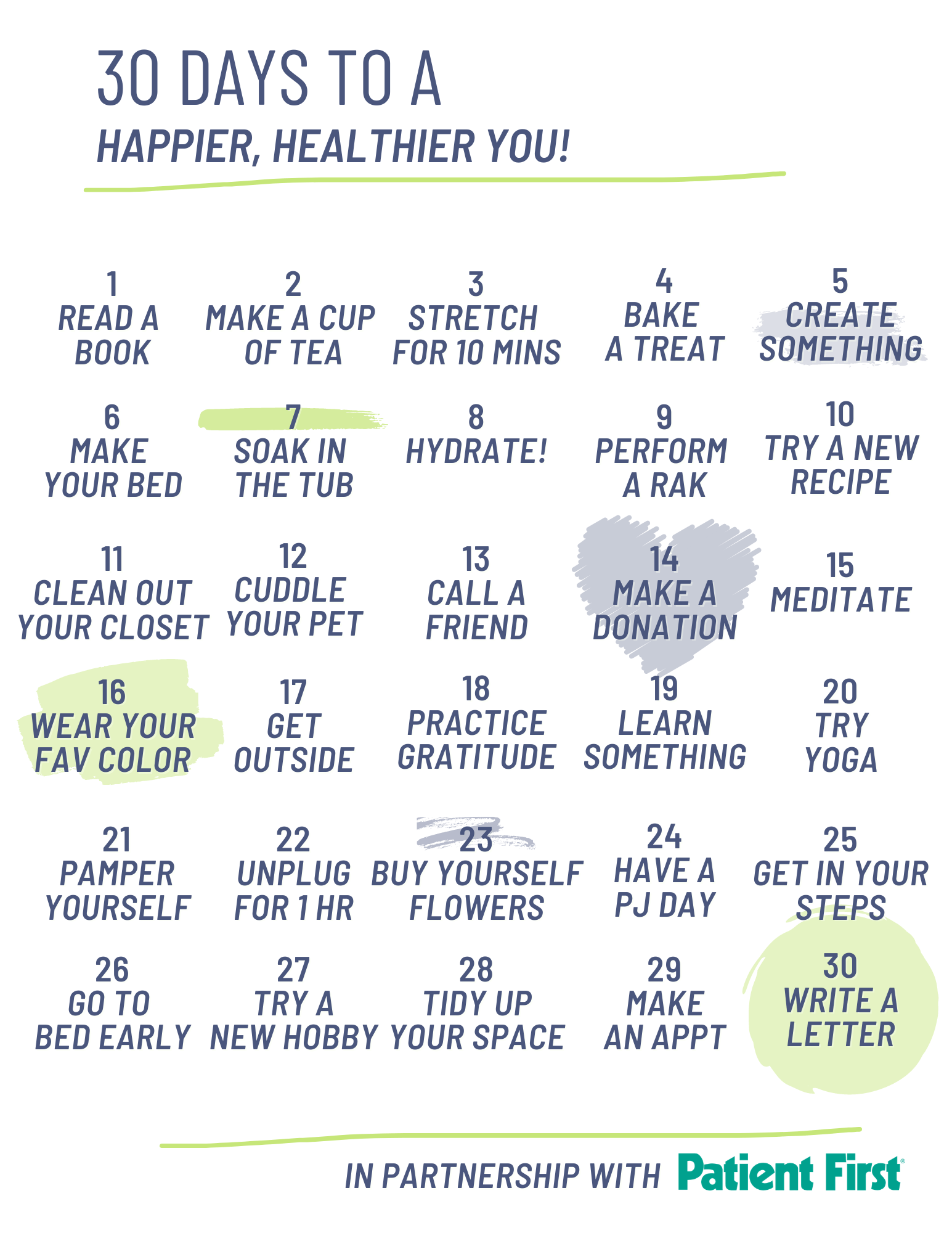
30 Days to a Happier You: Harnessing the Power of Online Education to Fuel Your Sustainable Healthy Diet Journey
30 Days to a Happier You: Harnessing the Power of Online Education to Fuel Your Sustainable Healthy Diet Journey

As someone who’s been on a rollercoaster ride of diet fads and restrictive eating, I can attest to the fact that finding a sustainable healthy diet can be a daunting task. With the constant influx of conflicting information on social media and the internet, it’s easy to get lost in the sea of diets that promise quick fixes and overnight results. However, I’ve learned that the key to unlocking a healthier, happier me lies in online education.

Over the past year, I’ve had the privilege of exploring various online platforms, courses, and resources that have not only deepened my understanding of nutrition but also empowered me to make informed choices about my diet. In this article, I’ll share my personal journey and provide practical tips on how you can harness the power of online education to fuel your own sustainable healthy diet journey.

The Benefits of Online Education

30 Days to a Happier You: Harnessing the Power of Online Education to Fuel Your Sustainable Healthy Diet Journey

One of the most significant advantages of online education is its flexibility. With a busy schedule and a multitude of responsibilities, it’s challenging to carve out time to attend classes or workshops. Online education, however, allows you to learn at your own pace, whenever and wherever you want.

When I first started exploring online courses on nutrition, I was amazed by the wealth of information available. From understanding macronutrients to learning about mindful eating, I was able to delve into topics that resonated with me. Online education also allowed me to connect with like-minded individuals who shared my passion for healthy living.

30 Days to a Happier You: Harnessing the Power of Online Education to Fuel Your Sustainable Healthy Diet Journey

Another significant benefit of online education is its accessibility. Gone are the days when access to quality education was limited by geographical location or financial constraints. Today, with a mere click of a button, you can access a vast array of courses, tutorials, and resources that cater to your unique learning style.

Debunking 7 Common Myths About Healthy Diets: What You Need to Know to Make Informed Choices

Debunking 7 Common Myths About Healthy Diets: What You Need to Know to Make Informed Choices

When it comes to healthy eating, the internet can be a double-edged sword. On one hand, it’s an incredible resource for learning about different diets, recipes, and nutrition facts. On the other hand, it’s also a breeding ground for misinformation, myths, and misconceptions that can lead us astray. As someone who’s passionate about healthy eating, I’ve fallen victim to these myths myself, and I’ve learned a thing or two about what’s fact and what’s fiction.

In this article, I’ll share seven common myths about healthy diets that I’ve encountered, along with the facts and evidence to debunk them. Whether you’re a seasoned health enthusiast or just starting your journey, this article will give you the inside scoop on what really works and what doesn’t.

Myth #1: All Sugar is Bad for You

Debunking 7 Common Myths About Healthy Diets: What You Need to Know to Make Informed Choices

Growing up, I remember being told that sugar is the ultimate villain when it comes to healthy eating. And while it’s true that excessive sugar consumption can lead to a range of health problems, the reality is more nuanced. Naturally occurring sugars, like those found in fruits and vegetables, are actually an important source of energy for our bodies. The problem arises when we consume too much added sugar, like that found in processed foods and sugary drinks.

The American Heart Association recommends that women consume no more than 25 grams (6 teaspoons) of added sugar per day, while men should limit their intake to 36 grams (9 teaspoons). But here’s the thing: not all sugar is created equal. A slice of whole grain bread, for example, contains about 1 gram of sugar, while a can of soda can contain up to 40 grams.

Debunking 7 Common Myths About Healthy Diets: What You Need to Know to Make Informed Choices

Practical tip: When it comes to sugar, focus on limiting your intake of added sugars, and opt for natural sources like fruits and veggies instead.

10 Devastating Diet Mistakes to Avoid for a Healthier You: Unlock the Power of Informed Nutrition

10 Devastating Diet Mistakes to Avoid for a Healthier You: Unlock the Power of Informed Nutrition

If you’re looking to adopt a healthier lifestyle, starting with a nutritious diet is a great foundation. A well-planned diet can provide you with the energy, vitality, and resilience you need to tackle the demands of everyday life. However, when we first start exploring what it means to "eat healthy," it’s easy to get caught up in misconceptions, fad diets, and unnecessary restrictions.

When I first started my own health journey, I thought that calorie counting and cutting out entire food groups were the keys to success. I spent hours pouring over spreadsheets, tracking my every bite, and relying on processed diet foods to keep me on track. Unfortunately, this approach led me down a rabbit hole of frustration, restriction, and – worst of all – feelings of guilt and failure.

Looking back, I realize that this restrictive mindset was not only unhealthy but also unsustainable in the long run. That’s why I want to share with you the top 10 devastating diet mistakes to avoid, so you can unlock the power of informed nutrition and develop a healthier relationship with food.

10 Devastating Diet Mistakes to Avoid for a Healthier You: Unlock the Power of Informed Nutrition

1. Restrictive Eating Patterns

One of the most significant mistakes I made when starting my health journey was chopping entire food groups out of my diet. I eliminated fats, carbs, and even fruits, thinking that drastic changes would lead to faster results. Little did I know that this limited approach would not only deprive my body of essential nutrients but also lead to feelings of deprivation and frustration.

10 Devastating Diet Mistakes to Avoid for a Healthier You: Unlock the Power of Informed Nutrition

Practical advice: Focus on whole, unprocessed foods, including fruits, vegetables, lean proteins, whole grains, and healthy fats. Aim for variety, rather than restriction.

Revolutionizing Your Diet: The 5 Key Benefits of Intermittent Fasting for a Healthier You

Revolutionizing Your Diet: The 5 Key Benefits of Intermittent Fasting for a Healthier You

As someone who has struggled with maintaining a healthy weight and energy levels, I’ve tried my fair share of diets and wellness trends. However, one approach that has truly transformed my relationship with food and improved my overall health is intermittent fasting. If you’re curious about the benefits of intermittent fasting, you’re in the right place. In this article, I’ll share my personal experience with intermittent fasting, along with the latest scientific research, to convince you to give it a try.

To start with, let’s define what intermittent fasting is. Intermittent fasting involves restricting your food intake for certain periods, which can range from 12 hours to several days. The most popular methods include the 16:8 method, where you eat within an 8-hour window and fast for the remaining 16 hours, and the 5:2 method, where you eat normally for 5 days and restrict your calorie intake to 500-600 calories on the other 2 days.

Now, let’s dive into the benefits of intermittent fasting. After incorporating intermittent fasting into my routine, I noticed significant improvements in my energy levels, mental clarity, and overall well-being. But don’t just take my word for it – here are the 5 key benefits of intermittent fasting that are backed by science:

Revolutionizing Your Diet: The 5 Key Benefits of Intermittent Fasting for a Healthier You

  1. Weight Loss: Intermittent fasting is an effective way to lose weight and maintain weight loss. By restricting your eating window, you’re naturally inclined to eat fewer calories, which leads to weight loss. Studies have shown that intermittent fasting can result in significant weight loss, particularly in obese individuals.

Revolutionizing Nutrition: Unlocking the Power of Whole Grains for a Healthier You – 7 Game-Changing Benefits

Revolutionizing Nutrition: Unlocking the Power of Whole Grains for a Healthier You - 7 Game-Changing Benefits

As I sit here, munching on a slice of whole-grain bread, I am reminded of a conversation I had with my grandmother years ago. She always emphasized the importance of whole grains in our diet, saying that they were the key to a long and healthy life. I didn’t quite understand the significance back then, but as I grew older, I began to appreciate the wisdom behind her words. Today, I want to share with you the 7 game-changing benefits of incorporating whole grains into your diet, and why they are an essential component of a healthy lifestyle.

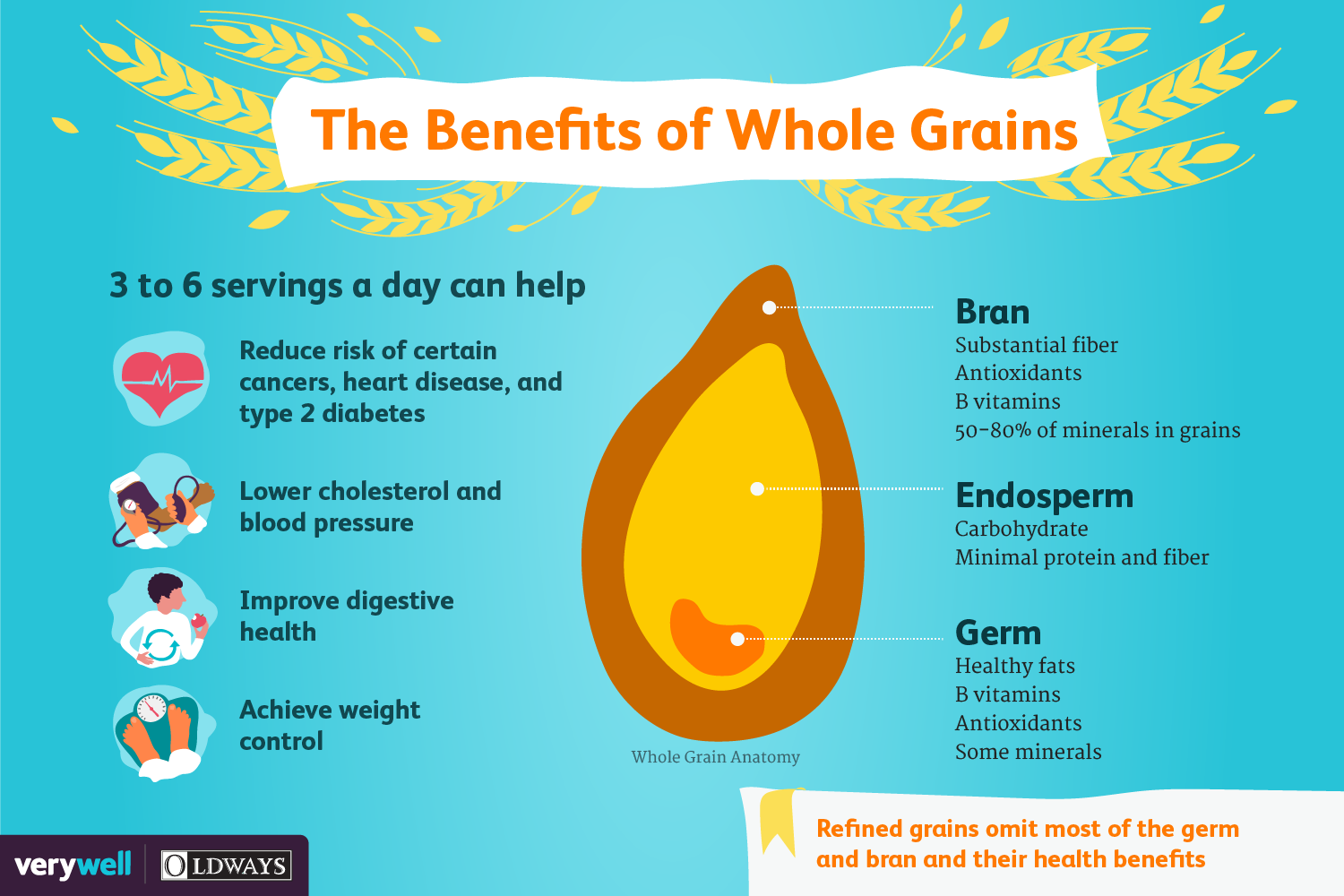
But before we dive in, let’s take a step back and understand what whole grains are. Simply put, whole grains are unprocessed grains that include all three parts: the bran, germ, and endosperm. This is in contrast to refined grains, which are stripped of the bran and germ, leaving behind only the starchy endosperm. Examples of whole grains include brown rice, quinoa, whole wheat bread, and oats.

Now, let’s explore the 7 benefits of whole grains that will revolutionize your nutrition.

Revolutionizing Nutrition: Unlocking the Power of Whole Grains for a Healthier You - 7 Game-Changing Benefits

  1. Boosts Heart Health
  2. Revolutionizing Nutrition: Unlocking the Power of Whole Grains for a Healthier You - 7 Game-Changing Benefits

Embracing the Cycle: 10 Tips to Help You Thrive on a Seasonal Healthy Diet

Embracing the Cycle: 10 Tips to Help You Thrive on a Seasonal Healthy Diet

As the seasons change, so should our diets. Yet, many of us stick to the same old routines, neglecting the power of seasonal eating to boost our energy, enhance our well-being, and even support the environment. As someone who’s learned to adapt their diet to the changing seasons, I’d like to share with you my personal journey and the wisdom I’ve gathered along the way.

Growing up, I never paid much attention to the seasons and how they impacted my food choices. I’d eat the same foods year-round, regardless of what was locally available or in season. It wasn’t until I started experimenting with seasonal eating that I noticed a significant shift in my energy levels, skin health, and overall sense of well-being. By tuning into the natural cycles of the earth, I felt more connected to nature and more attuned to my body’s needs.

So, what is seasonal eating, exactly? Simply put, it’s about eating foods that are locally available and in season. This approach not only ensures optimal flavor and nutritional value but also supports local farmers, reduces carbon emissions from transportation, and preserves biodiversity. By embracing the cycle of the seasons, we can create a more sustainable, balanced, and delicious relationship with food.

Embracing the Cycle: 10 Tips to Help You Thrive on a Seasonal Healthy Diet

Here are 10 practical tips to help you adapt your healthy diet to the changing seasons:

1. Spring: Renewal and Rebirth

Embracing the Cycle: 10 Tips to Help You Thrive on a Seasonal Healthy Diet

In the spring, focus on detoxifying and rejuvenating your body with fresh greens, berries, and other locally grown produce. Try incorporating more salads, smoothies, and green juices into your diet to purify your body and energize your mind.

Unlock the 5 Hidden Secrets to a Happier You: Why Gut Health Matters in a Healthy Diet

Unlock the 5 Hidden Secrets to a Happier You: Why Gut Health Matters in a Healthy Diet

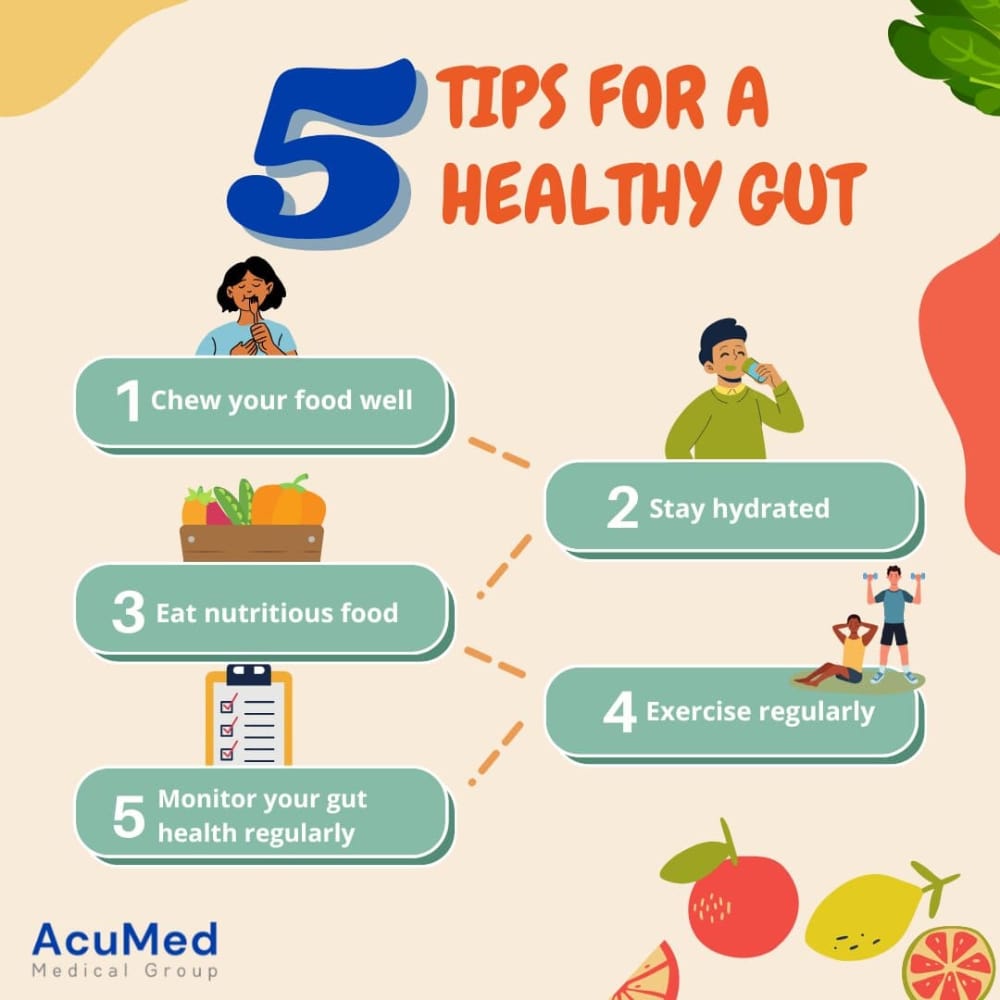
A healthy diet is not just about consuming the right foods, it’s also about maintaining a balanced ecosystem within our bodies. Our gut, often referred to as the ‘second brain,’ plays a pivotal role in our overall well-being, from influencing our mood to boosting our immunity. As someone who’s had their fair share of digestive issues, I can attest to the transformative power of prioritizing gut health. In this article, I’ll share the 5 hidden secrets to a happier you by highlighting the importance of gut health in a healthy diet.

Secret 1: A Strong Gut is a Strong Immune System

Our gut is home to trillions of microorganisms, which work tirelessly to keep our immune system in check. A healthy gut microbiome helps to fight off infections, absorb essential nutrients, and even produces certain vitamins. Research has shown that individuals with a strong gut microbiome are less likely to fall ill and recover faster when they do. This hit home for me when I started incorporating more fermented foods into my diet. Not only did I notice a significant reduction in the frequency of my colds and flu, but I also experienced improved digestion and reduced bloating.

Unlock the 5 Hidden Secrets to a Happier You: Why Gut Health Matters in a Healthy Diet

Secret 2: A Happy Gut, A Happy Mind

The gut-brain axis is a bidirectional communication network between our gut and brain. This means that what happens in our gut can significantly impact our mental well-being. A healthy gut microbiome has been linked to reduced symptoms of anxiety and depression, improved mood, and even cognitive function. I recall a particularly stressful period in my life when I was experiencing constant digestive issues. It wasn’t until I started prioritizing my gut health that I noticed a shift in my mental state. By incorporating more omega-3 rich foods and probiotics into my diet, I was able to manage my stress levels and feel more balanced.

Secret 3: A Strong Gut is a Strong Foundation for Weight Loss

Breakthrough to a Healthier You: 7-Step Guide to Mastering Diabetes Management through Online Education

Breakthrough to a Healthier You: 7-Step Guide to Mastering Diabetes Management through Online Education

As someone who’s living with diabetes, I know firsthand how overwhelming it can feel to manage this condition. Between the constant doctor’s appointments, medication regimes, and dietary restrictions, it’s easy to get caught up in a cycle of frustration and uncertainty. But here’s the thing: you have the power to take control of your health, and online education can be a game-changer in your journey to managing diabetes.

Thanks to the internet, we now have access to a wealth of information and resources that can help us make informed decisions about our health. Online education platforms, websites, and communities are springing up left and right, offering us a unique opportunity to learn from experts and connect with others who are going through similar experiences.

So, how can online education help you master diabetes management and take a step towards a healthier, happier you?

Breakthrough to a Healthier You: 7-Step Guide to Mastering Diabetes Management through Online Education

Step 1: Understand the Basics

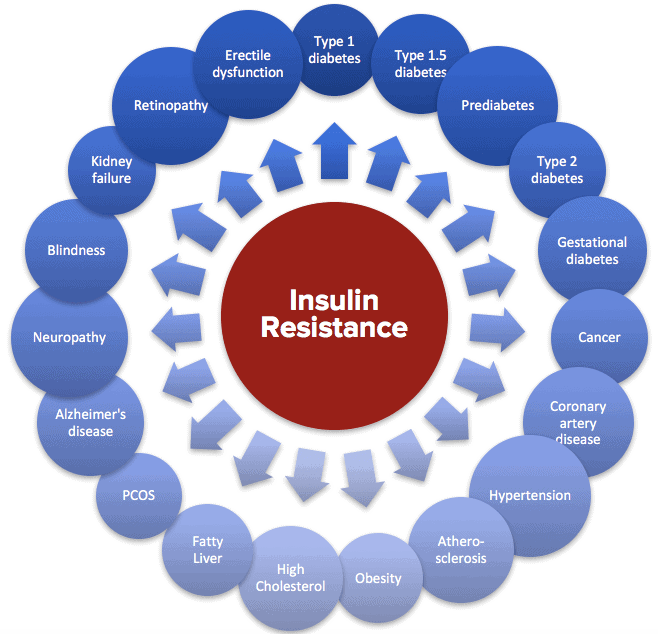
Before we dive into the world of online education, it’s essential to have a solid understanding of what diabetes is and how it affects the body. Diabetes is a chronic condition that affects the way your body processes glucose, a type of sugar that serves as energy for your cells. When you have diabetes, your body either doesn’t produce enough insulin (a hormone that regulates glucose levels) or can’t use insulin effectively, leading to high blood sugar levels.

Breakthrough to a Healthier You: 7-Step Guide to Mastering Diabetes Management through Online Education

Online education platforms like the American Diabetes Association’s (ADA) website and the Centers for Disease Control and Prevention’s (CDC) resource center offer a wealth of information on the basics of diabetes, including types, symptoms, diagnosis, and treatment options.

10 Powerful Strategies to Stay Full on a Healthy Diet and Unlock a More Energetic You

10 Powerful Strategies to Stay Full on a Healthy Diet and Unlock a More Energetic You

Are you fed up with feeling hungry all the time, only to reach for unhealthy snacks that sabotage your weight loss goals? Do you struggle to stay full on a healthy diet, leaving you feeling frustrated and defeated? You’re not alone. As someone who’s been on a journey to a healthier lifestyle, I’ve been there too. But I’ve discovered some game-changing strategies that have helped me stay full, satisfied, and energized all day long. And I’m excited to share them with you.

First, let’s talk about why staying full on a healthy diet is so important. When we eat nutrient-dense foods, we’re giving our bodies the fuel they need to function at their best. But if we’re constantly feeling hungry, it’s hard to stick to our healthy eating plan. And that’s where the struggle begins. We start to crave quick fixes and convenience foods that are high in calories, sugar, and unhealthy fats. But these foods only lead to energy crashes, weight gain, and a host of other health problems.

So, how can we stay full on a healthy diet and avoid the hunger pangs that can derail our best efforts? Here are 10 powerful strategies that have worked for me and can work for you too.

10 Powerful Strategies to Stay Full on a Healthy Diet and Unlock a More Energetic You

1. Eat More Protein

Protein is one of the most filling nutrients out there. When we eat protein-rich foods, our bodies take longer to digest them, which means we stay full for longer. Aim for 0.8-1 gram of protein per pound of body weight per day, and spread it out across three to five main meals and two to three snacks. Some of my favorite high-protein foods include lean meats, fish, eggs, tofu, and legumes.

2. Incorporate Healthy Fats

More

Whats Hot