Tampilkan postingan dengan label diets. Tampilkan semua postingan

Debunking 7 Common Myths About Healthy Diets: What You Need to Know to Make Informed Choices

Debunking 7 Common Myths About Healthy Diets: What You Need to Know to Make Informed Choices

When it comes to healthy eating, the internet can be a double-edged sword. On one hand, it’s an incredible resource for learning about different diets, recipes, and nutrition facts. On the other hand, it’s also a breeding ground for misinformation, myths, and misconceptions that can lead us astray. As someone who’s passionate about healthy eating, I’ve fallen victim to these myths myself, and I’ve learned a thing or two about what’s fact and what’s fiction.

In this article, I’ll share seven common myths about healthy diets that I’ve encountered, along with the facts and evidence to debunk them. Whether you’re a seasoned health enthusiast or just starting your journey, this article will give you the inside scoop on what really works and what doesn’t.

Myth #1: All Sugar is Bad for You

Debunking 7 Common Myths About Healthy Diets: What You Need to Know to Make Informed Choices

Growing up, I remember being told that sugar is the ultimate villain when it comes to healthy eating. And while it’s true that excessive sugar consumption can lead to a range of health problems, the reality is more nuanced. Naturally occurring sugars, like those found in fruits and vegetables, are actually an important source of energy for our bodies. The problem arises when we consume too much added sugar, like that found in processed foods and sugary drinks.

The American Heart Association recommends that women consume no more than 25 grams (6 teaspoons) of added sugar per day, while men should limit their intake to 36 grams (9 teaspoons). But here’s the thing: not all sugar is created equal. A slice of whole grain bread, for example, contains about 1 gram of sugar, while a can of soda can contain up to 40 grams.

Debunking 7 Common Myths About Healthy Diets: What You Need to Know to Make Informed Choices

Practical tip: When it comes to sugar, focus on limiting your intake of added sugars, and opt for natural sources like fruits and veggies instead.
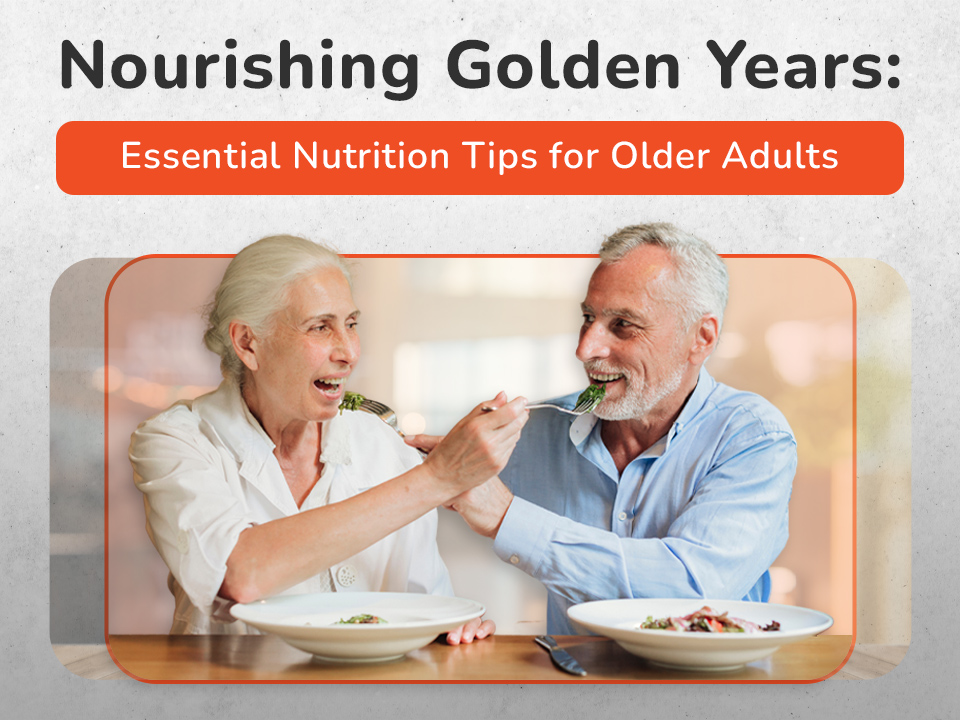
Nourishing the Golden Years: A 7-Step Guide to Healthy Diets for Seniors

Nourishing the Golden Years: A 7-Step Guide to Healthy Diets for Seniors

As we age, our bodies undergo a series of transformations that can affect our overall health and wellbeing. One of the most crucial aspects of healthy aging is diet, which plays a significant role in maintaining our physical and mental health. Unfortunately, many seniors struggle with finding a balanced diet that meets their unique needs. In this article, we will explore the benefits of healthy diets for seniors and provide a 7-step guide to help you or your loved one thrive in the golden years.

Understanding the Challenges of Senior Nutrition

As we grow older, our metabolism slows down, and our bodies require fewer calories. However, this decrease in calorie needs can sometimes lead to inadequate nutrition, particularly if we’re not eating nutrient-dense foods. Additionally, seniors may face challenges such as dental issues, gastrointestinal problems, and social isolation that can make mealtime a struggle.

Nourishing the Golden Years: A 7-Step Guide to Healthy Diets for Seniors

Step 1: Stay Hydrated

Adequate hydration is essential for seniors, as it can help prevent constipation, kidney stones, and even cognitive decline. The general recommendation is to drink at least eight glasses of water per day, but this can vary depending on individual needs. Encourage your loved one to drink water regularly throughout the day, and consider incorporating hydrating foods like watermelon, cucumbers, and celery into their diet.

Step 2: Focus on Whole Foods

"Revolutionize Your Eating: 7 Life-Changing Healthy Diets for Every Lifestyle"

"Revolutionize Your Eating: 7 Life-Changing Healthy Diets for Every Lifestyle"

As the old adage goes, "You are what you eat." In today’s fast-paced world, it’s easy to get caught up in the hustle and bustle of daily life and neglect our diet. We often find ourselves grabbing quick, convenient meals on the go, only to suffer from energy crashes, digestive issues, and other health problems down the line. But what if you could revolutionize your eating habits and transform your overall well-being?

In this article, we’ll explore seven healthy diets that cater to every lifestyle, from busy professionals to stay-at-home parents, and from vegan to meat-lover. Whether you’re looking to boost your energy levels, manage a health condition, or simply feel better in your own skin, there’s a diet on this list that’s perfect for you.

1. The Busy Professional: Mediterranean Diet

"Revolutionize Your Eating: 7 Life-Changing Healthy Diets for Every Lifestyle"

Meet Sarah, a marketing manager who works 12-hour days. She’s always on the go, and her diet consists of coffee, energy bars, and takeout. But after experiencing chronic fatigue and digestive issues, Sarah decided to make a change. She adopted the Mediterranean diet, which focuses on whole grains, fruits, vegetables, lean proteins, and healthy fats.

Sarah’s favorite Mediterranean dishes include quinoa salad with grilled chicken, roasted vegetables with hummus, and lentil soup with whole-grain bread. By incorporating these simple, yet nutrient-dense meals into her busy schedule, Sarah noticed a significant boost in her energy levels and overall health.

"Revolutionize Your Eating: 7 Life-Changing Healthy Diets for Every Lifestyle"

2. The Stay-at-Home Parent: Whole30 Diet

"10 Reasons Why a Healthy Diet Trumps Fad Diets Every Time: Unlock Your Path to Sustainable Weight Loss"

"10 Reasons Why a Healthy Diet Trumps Fad Diets Every Time: Unlock Your Path to Sustainable Weight Loss"

As we navigate the complex world of dieting, it’s easy to get caught up in the endless stream of fad diets that promise rapid weight loss and instant results. But in reality, these diets rarely deliver on their promises and often leave us feeling frustrated, defeated, and worse off than when we started. That’s why it’s time to shift our focus away from fad diets and toward a more balanced and sustainable approach to eating: the healthy diet.

In this article, we’ll explore the key differences between healthy diets and fad diets, and why making the switch can be a game-changer for your health and wellbeing. We’ll also share practical tips and advice for incorporating a healthy diet into your lifestyle, and highlight real-life examples of people who have achieved success with this approach.

The Fad Diet Trap

"10 Reasons Why a Healthy Diet Trumps Fad Diets Every Time: Unlock Your Path to Sustainable Weight Loss"

Fad diets are a multi-billion-dollar industry, and it’s easy to see why: they promise quick fixes and instant results, often through restrictive eating plans and gimmicky products. But the truth is, these diets are often based on flawed science and unrealistic expectations. They restrict entire food groups, leading to nutrient deficiencies and a lack of variety in your diet. They also often rely on portion control or calorie counting, which can be tedious and unsustainable in the long term.

Take the low-carb craze of the 2000s, for example. This diet encouraged people to cut out entire food groups, such as grains and sugars, in favor of high-protein, high-fat foods. While some people may have achieved short-term weight loss on this diet, the restrictive nature of the plan made it difficult to maintain over time. And as we now know, cutting out entire food groups can lead to nutrient deficiencies and other health problems.

"10 Reasons Why a Healthy Diet Trumps Fad Diets Every Time: Unlock Your Path to Sustainable Weight Loss"

The Benefits of a Healthy Diet

Powerful Strategies for 7th Decade Wellness: Unlock the Mystery of Anti-Aging Diets

Powerful Strategies for 7th Decade Wellness: Unlock the Mystery of Anti-Aging Diets

As we navigate the inevitable journey of aging, one thing becomes increasingly clear: the choices we make about our diet have a profound impact on our overall health and wellbeing. With millions of Americans entering their 60s, 70s, and beyond, it’s no wonder that anti-aging diets have become all the rage. But what separates fact from fiction? How can we tap into the transformative power of nutrition to boost our energy, our mood, and our overall quality of life?

When I turned 65, I realized that I was part of the ever-growing 7th Decade Club. And let me tell you, I was determined to make the most of it. I had spent my entire adult life learning about the benefits of healthy eating, but I still wasn’t sure what specific strategies would help me navigate this critical juncture in my life. So, I did what any good student does: I hit the books. And this time around, I made sure to do something different. Instead of reaching for that kale chips recipe, I signed up for an online nutrition course that promised to reveal the hidden secrets of anti-aging diets.

What I learned along the way blew my mind. It turned out that many of the diets that claim to be ‘anti-aging’ are actually inspired by cutting-edge science. As I dug deeper into the topic, I discovered that certain foods, such as leafy greens and omega-rich fatty fish, are designed by Mother Nature to safeguard our bodies from oxidative stress, one of the primary drivers of the aging process. I was amazed to learn that something as simple as spinach soup or a broiled salmon fillet could essentially be a key to turning back the clock.

Powerful Strategies for 7th Decade Wellness: Unlock the Mystery of Anti-Aging Diets

Now, don’t get me wrong: aging is a natural process, and we shouldn’t rely on fancy diets or supplements to achieve some kind of eternal youth. Nevertheless, with today’s knowledge and expertise, we have the power to make informed choices about our health and our future.

One of the groundbreaking advances I encountered during my research involves something known as ‘ Personalized Nutrition.’ Let me give you an example: if you’re interested in using nutrition to reduce your risk of age-related diseases such as diabetes or certain cancers, you can approach it through tailored strategies, such as cooking a higher-fiber, higher-protein breakfast in the morning. Not just ‘any’ breakfast, mind you: every individual has a unique DNA makeup, lifestyle, and physical requirements, so their specific breakfast foods need to accommodate these different needs.

Living proof of this groundbreaking concept is Elizabeth, a retired nutrition educator who runs workshops focused on preventative healthcare. Now 67, Elizabeth decided to experiment with personalizing her own diet, determined to deal with increasingly crippling symptoms of menopause. Taking a serious analytical approach to identifying her specific body needs, she was able to turn things around within a record time of a few months.

Thriving with 7 Simple Habits: Harnessing the Power of Online Education for Healthy Diets and Chronic Condition Management

Thriving with 7 Simple Habits: Harnessing the Power of Online Education for Healthy Diets and Chronic Condition Management

As I sit here reminiscing about my grandmother’s health struggles, I am reminded of the profound impact that nutrition can have on our well-being. She lived with diabetes for over two decades, and I saw firsthand the sacrifices she made to manage her condition. Despite the challenges, she remained optimistic and determined to find ways to thrive. Her experience taught me the significance of a balanced diet in managing chronic conditions. In this article, I will explore how online education can empower individuals to take control of their health and adopt a healthy diet, using seven simple habits.

The Statistics Are Staggering

Chronic diseases are on the rise, affecting approximately 133 million Americans, which is about 45% of the population. These conditions, such as diabetes, heart disease, and arthritis, can significantly impair quality of life, mobility, and overall well-being. However, research suggests that a healthy diet, combined with other lifestyle changes, can help manage symptoms, slow disease progression, and even reduce the risk of complications.

Thriving with 7 Simple Habits: Harnessing the Power of Online Education for Healthy Diets and Chronic Condition Management

The Role of Online Education
In recent years, online education has revolutionized the way we access information, connect with others, and learn new skills. When it comes to managing chronic conditions through diet, online platforms can be a game-changer. Here are seven simple habits to adopt:

Thriving with 7 Simple Habits: Harnessing the Power of Online Education for Healthy Diets and Chronic Condition Management

More

Whats Hot